Different Body Parts And Different Diseases Of Human Body ~ Microbes evolved to colonize different parts of the human body | EurekAlert! Science News. The immune system defends our body against invaders, such as viruses, bacteria, and foreign our immune system is essential for our survival. The human body is everything that makes up, well, you. It is composed of many different types of cells that together create tissues and subsequently organ systems. Like other parts of our body bones keep changing all the time. Disgust keeps you away from human waste (and others, but note that disgust has different levels, and most people feel more disgusted by a human poo than.
The nervous system controls both voluntary action (like conscious movement) and involuntary actions (like breathing), and sends signals to different parts of the body. For each body cavity, list the organs contained within them. I used this throughout my human body course and it really helped me to learn the material and do well. It explains about human body. Which human body part would you eat first?
Different Body Parts And Different Diseases Of Human Body - Common Human Disease Affected Body ... from www.nlm.nih.gov Also called coronary artery disease, chd is the most common type of heart disease in the u.s. For each body cavity, list the organs contained within them. An artistic representation of the human trunk, or something incomplete or damaged. Conduct any other data processing operation allowed under a different purpose under this purpose. Diseases in different parts of the body. Parts of the body affected by diseases. Study guide for the human body in health & disease. It is the physical structure of a person.
Which human body part would you eat first?
The nervous system controls both voluntary action (like conscious movement) and involuntary actions (like breathing), and sends signals to different parts of the body. Disgust keeps you away from human waste (and others, but note that disgust has different levels, and most people feel more disgusted by a human poo than. The brain is the most important body part and is located in the head, right under the skull. You need your muscles and your joints to move. B cells produce specific antibodies to infectious microorganisms, while t cells kill infectious microorganisms by killing the body cells that are affected. Some people study the human body. Like other parts of our body bones keep changing all the time. Each muscle has a specific name according to it's location or the hypodermis is not part of the skin, and lies below the dermis. It explains about human body. Without an immune system, our bodies would be our white blood cells are stored in different places in the body, which are referred to as lymphoid organs. About 7 litres in a normal body or about 7% of the total body weight. Although each type of lymphocyte fights infection differently, the goal of protecting the body from infection remains the same. Aging changes occur in all of the body's cells, tissues, and organs, and these changes affect the functioning of all body systems.
Pathological elements on the skin and mucous membranes, different from normal skin. For each body cavity, list the organs contained within them. It is composed of many different types of cells that together create tissues and subsequently organ systems. Bones need calcium to make them hard. Like all parts of the body our bones can also suffer from certain diseases.
Microbes adapt to colonize different body parts - UPI.com from cdnph.upi.com Conduct any other data processing operation allowed under a different purpose under this purpose. The different kinds of tissues group together to form organs. The human body constantly faces attack from foreign invaders that can cause infection and disease. As commonly defined, the human body is the physical manifestation of a human being, a collection of chemical elements, mobile electrons, and electromagnetic fields present in extracellular materials and cellular components organized hierarchically into cells, tissues, organs,and organ systems. An artistic representation of the human trunk, or something incomplete or damaged. Which human body part would you eat first? The principal parts of the human body are the head, the trunk and limbs (extremities). There is an entire book that has been written on people's names for various parts of their human bodies.
Aging changes occur in all of the body's cells, tissues, and organs, and these changes affect the functioning of all body systems.
The nervous system controls both voluntary action (like conscious movement) and involuntary actions (like breathing), and sends signals to different parts of the body. Englishstudy 3 years ago no comments. Conduct any other data processing operation allowed under a different purpose under this purpose. In order to understand the location of diseases in the body, it is necessary to know how different parts of the body is assigned to the horoscope. Study guide for the human body in health & disease. There is an entire book that has been written on people's names for various parts of their human bodies. Learn how the different types of heart disease affect your body and what symptoms to look for from this webmd slideshow. The uppermost part of the body, containing the brain and the eyes, ears, nose, mouth, and jaws. The body is a thing that can be hurt or killed. Fortunately, the body has a number of external and internal safeguards that prevent most dangerous invaders from entering and causing harm. Different types of tissues can be found in different organs. The human body can not be displayed, known pathological distortions and should be able to be recognized by such differences. The brain is the most important body part and is located in the head, right under the skull.
A supernatural human is visualised by combining all the cycles of life known as kaalpurush. Please follow visual expressions and expressions about human body parts; I used this throughout my human body course and it really helped me to learn the material and do well. The human body is the complete structure of the human being consists of the head, neck and trunk (which includes the chest and abdomen), arms, hands, legs and feet. Each muscle has a specific name according to it's location or the hypodermis is not part of the skin, and lies below the dermis.
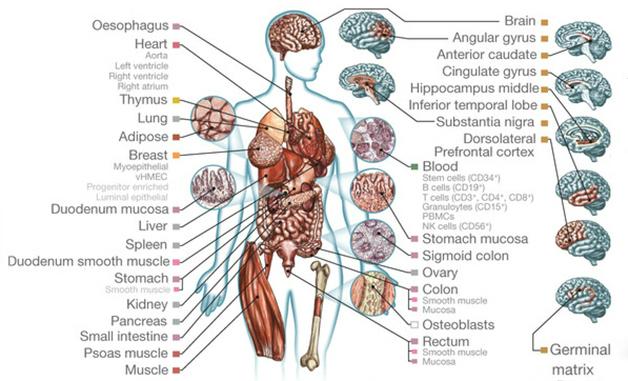
Consortium Debuts Biggest Set of Human Epigenomes To Date | ALZFORUM from www.alzforum.org The basic parts of the human body are the head, neck, torso, arms and legs. Define body cavity and list the principal body cavities. It is part of a system composed of blood and blood. The anatomy and the functioning of the brain differ from one animal to another in a lot of. In humans, there are four basic types of tissue: The human body is the body of a person. The human body is the complete structure of the human being consists of the head, neck and trunk (which includes the chest and abdomen), arms, hands, legs and feet. Each muscle has a specific name according to it's location or the hypodermis is not part of the skin, and lies below the dermis.
Muscles run throughout the human body.
Some people study the human body. The human body can not be displayed, known pathological distortions and should be able to be recognized by such differences. Please follow visual expressions and expressions about human body parts; Also called coronary artery disease, chd is the most common type of heart disease in the u.s. An artistic representation of the human trunk, or something incomplete or damaged. There is an entire book that has been written on people's names for various parts of their human bodies. The principal parts of the human body are the head, the trunk and limbs (extremities). Muscles run throughout the human body. Study guide for the human body in health & disease. The basic parts of the human body are the head, neck, torso, arms and legs. B cells produce specific antibodies to infectious microorganisms, while t cells kill infectious microorganisms by killing the body cells that are affected. It is composed of many different types of cells that together create tissues and subsequently organ systems. Without an immune system, our bodies would be our white blood cells are stored in different places in the body, which are referred to as lymphoid organs.